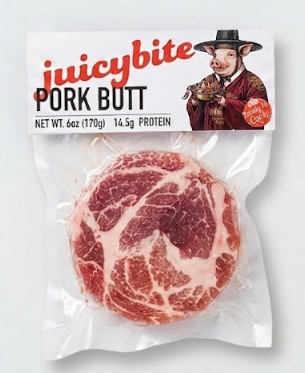
Pork Butt
Moksal
$7.99 / 6 oz (170g)
Lean, tender, weeknight pork.
Leaner than belly but nowhere near dry — the collar carries just enough intramuscular fat to stay tender. The one to reach for on a Tuesday.
How to cook
- Pan — Dry pan, medium. 4 minutes per side.
- Stew — Cut into chunks and simmer into kimchi stew for 20 minutes.
- Serve — Rice, kimchi, done.
Ingredients
Pork collar, salt, black pepper.
Nutrition
Per 4 oz — 250 cal, 16g fat, 0g carbs, 25g protein. PLACEHOLDER — confirm with the plant.
Singles ship inside a box.
Frozen shipping costs a lot, so everything goes out in one insulated box. Start with a box and this drops into the same delivery — no second shipping charge.
Start with a boxYou can add single packs from your cart once a box is in it.
- Ships frozen
- Dispatched in 24 hrs
- USDA & HACCP
Flavor profile
BELLY OR COLLAR?
Belly is the indulgent one — more fat, crisper edges. Collar is the practical one — leaner, faster, and it holds up in stews and rice bowls where belly would be too rich. Most Korean households keep both in the freezer.
Moksal · 목살
The cut Koreans order when belly is too much.
Pork butt is not from the rear. It is the collar, the top of the shoulder, and it is the cut that carries a Korean grill through the middle of the meal.
Leaner than belly, but nowhere near lean. Fat runs through it in seams rather than one thick band, so it stays tender through a longer cook and does not flood the pan the way belly does.
If belly is the first three pieces, this is the next twenty.
Why this cut holds up
Fat in seams, not in one slab
The collar is a working muscle group, so the fat is distributed instead of layered. Those seams melt at different rates, which is why moksal keeps giving after belly has already rendered out and gone crisp.
It also means the cut forgives a minute of inattention on the grill. Belly does not.
Frozen once
Frozen once, at the plant, and never again
Pork loses more to thawing and refreezing than it does to freezing. Every cycle tears the muscle from the inside and the water runs out onto the tray.
Ours is blast frozen once, right after cutting, and stays frozen the whole way to your door. No retail case, no thawing for display, no refreezing what didn't sell that day.
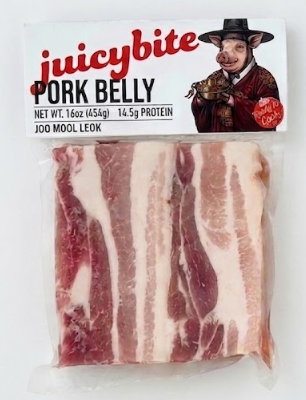
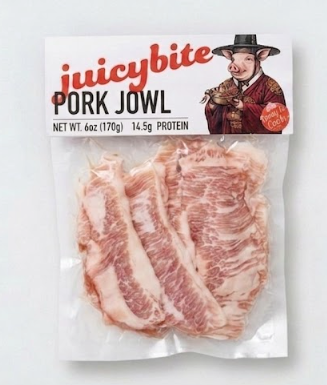
Belly · Butt · Jowl
| Product | Pork Butt (collar), sliced |
|---|---|
| Origin | United States |
| Net weight | 6 oz (170g), 1 pack |
| Seasoning | None. Unseasoned, ready for the pan or the grill |
| Storage | Keep frozen (0F / -18C or below) |
| Use by | See date printed on back of package |
| Inspection | USDA Inspected |
| Distributed by | Korkio Company |